
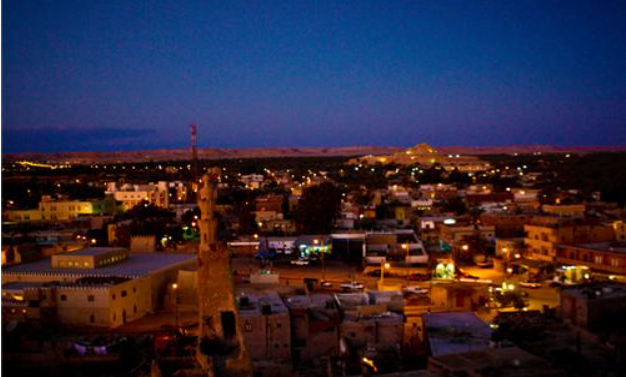
When I visited Siwan, a small but vibrant city in Bihar, I did not know it would become such a lovely chapter in my visual diary. A story at every street corner, temple walls, and the bustling markets of citizens, Siwan might not be a metropolitan city. Still, it definitely carries the character of real India: raw, colorful, and emotional. In this article, I will guide you through how to capture the essence of Siwan through our camera lenses, show you the most photogenic locations, and highlight why it deserves a special place in our minds.
See True Essence of Siwan Through the Lens of Your Camera
We often pull out our camera in Siwan, and we feel scared that we are capturing a moment of history and daily life simultaneously. The way Siwan brings heritage, simplicity, and liveliness together to create a sense of both personal and communal is intriguing. Whether it is lanes near Maharajganj or Zeeradei, we always stop at the morning markets, and capture the vendors lining up fresh vegetables or the children making their way to school, and how the local people greet us with such warmth.
What makes Siwan unique is its genuineness. Unlike big tourist cities, here I do not need to use filters or to set up photos. The natural light, earthy colors, and smiles give our photos life. When we explore Siwan Fort or the old Dargah of Hasanpura, we see beyond the architecture. We can see layers of history and stories built up over time that define this place. Every photo becomes something again — a connection.
Best Photogenic Places To Capture In Siwan
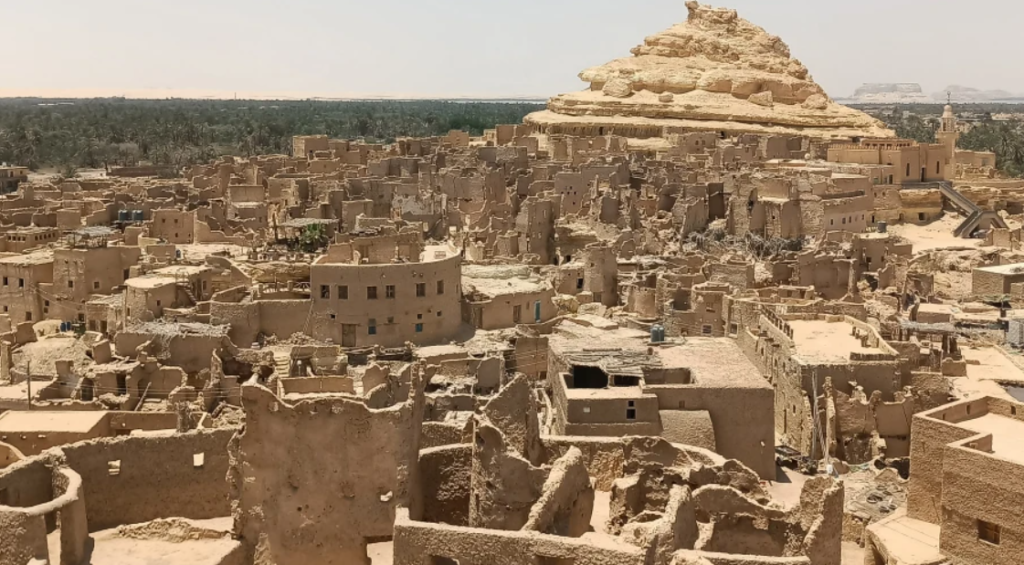
Since we are non-professional photographers, Siwan will not disappoint if you also love photography. Here are some of our favorite spots to shoot photos:
- Siwan Fort – These ruins will tell silent stories of old dynasties and valor. The light in the early morning creates an ideal golden tone for photos.
- Zeeradei Village – The birthplace of Dr. Rajendra Prasad, India’s first President, and the center of heritage homes and cultural landmarks.
- Hasanpura Dargah – The spiritual stillness of the place is worth including. We especially love shooting at this location during prayer time on Fridays, when the whole place comes to life with faith.
- Siwan Market Road – A perfect location for street photography opportunities with color and consumption from local snack spots to shop fronts.
- Andar Block Fields – During the harvest season, the golden fields of paddy in Andar Block are nothing but beautiful paintings spread out under the open sky.
Each place is a piece of Siwan’s identity. With either our big DSLR camera or just our phone camera, we find something fresh to capture every moment.
Cultural Moments and Local Life in Siwan Through Photo Frames

When we think of Siwan, the people come to mind. The physical living aspect of the town is what makes it alive and memorable. While we were there last year, we took part in a Chhath Puja ceremony next to the Daha River. The hundreds of lamps, or diyas, floating in the water and people praying created one of the most moving images we’ve ever framed.
Adornments and Haat Weekly Market – Just like any small town, large or small, news spreads quickly, and everyone was aware of the celebration, creating some wonderful frames.
Later that week, while visiting the local haat (weekly market), we framed farmers selling produce, women shopping and bargaining for bangles, and kids greedily savoring jalebis (a syrupy doughnut-like candy). These frames were not just pictures; they resemble moments, and in time, family memories.
Here in Siwan, the moments that transcend cultural events – Holi, Eid, and Diwali – all depict togetherness. I notice almost even strangers come together on the event of the occasion; they laugh and joke while colors and family exuberances share friend and family obstacles and challenges.

The colors, smiles, rituals, and sights remember to the values of the Siwan community. You can call them and word the photo capture to view the essence of the memory; however, it’s important to remember the movement of the frame too – embrace a capture of love and appreciation of home, family, people, and the heart of Siwan.
Photography Advice to Grow Your Visual Trip in Siwan
Over the years, we’ve come to realize that the best photos often come from experiences that are genuine rather than acted or staged. In case you are interested, here are a few simple photography tips that helped us while photographing Siwan:
- Shoot during golden hours – Early morning and late afternoon light has a soft, natural glow.
- Photographs of faces – Expressions made locally often carry more weight than monuments. And always ask for permission before you click on portraits. The local people of Siwan appreciate respect.
- Use wide-angle lenses for rural landscapes – Fields and village roads look top-notch when shot in depth.
- Photographs of motion – Don’t be afraid to click pictures while people are walking, working, or celebrating. Motion creates life in photographs.
- Keep your camera out and ready – In Siwan, moments pop up when you least expect them. That smile, the cart that just passed you, the flock of birds. Those images are gone in a second.
Don’t get us wrong, however, photography in Siwan is not about one perfect image. It is more about being present. The more we become immersed in the daily rhythm of Siwan, the more weight our pictures carry.
Memories In the Making: Why the Visual Story is With You
Any time we look through our photographs of Siwan, we realize that those photographs are more ordered memories we can feel rather than memories simply ordered as a digital file. When we view our photos, we hear the morning azaan alighting, the roadside chai sandwich shops, and the school children laughing and playing across muddy roads.
Siwan should be included in every traveler’s visual narrative because it epitomizes India’s rural origins and evolving future. With our camera, we have witnessed the coexistence of tradition and modernity in this matchless place. Siwan encourages us to be still, to see, and to cherish simplicity.
So, whenever next time you visit Siwan, don’t just come here — photograph it. Make every photograph a frame of your travel story, reflected by the authenticity of your past moments. You will be down the road, whenever opening your travel photos will still speak to you — through its faces, colors, and ever-changing beauty.
In A Nutshell
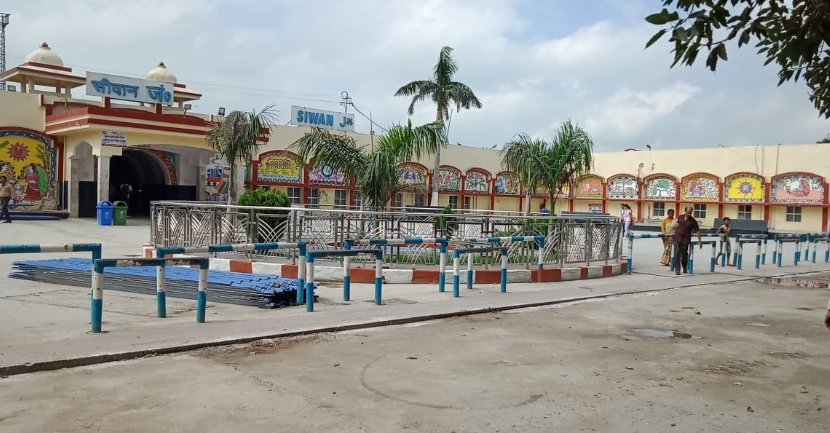
Snapping past and present of Siwan is not simply about documenting travel photography — it is about capturing experiences in cameras that will live on in our memories. Every photo frame is an invitation to the experiences of connection, warmth, and discovery. That’s why next time, grab your camera, and take your curiosity, your heart, and Siwan will be honored to be remembered in your lens.
Frequently Asked Questions
Q1. Why is Siwan a great place for photography?
Ans. Siwan is filled with genuine cultural and rural scenes. It has natural landscapes, heritage sites, and real moments that will help you create a meaningful image every time.
Q2. When is the best time of day to photograph in Siwan?
Ans. The golden hours of early morning (6 am-8 am) or late afternoon (4 pm-6 pm) will provide the best natural lighting. Festivals, like Chhath Puja and Holi, create colorful frames.
Q3. Can people be photographed freely in Siwan?
Ans. Yes, but please ask for permission before taking a portrait of someone. Most people are friendly and pleased to be photographed when asked nicely.
Q4. What is different about Siwan, compared to other travel destinations?
Ans. Siwan, as compared to crowded tourist hotels, allows for raw, real-life experiences. It’s where you can experience culture, community, and a calm countryside, the perfect destination for anyone wanting authentic frames and stories captured.